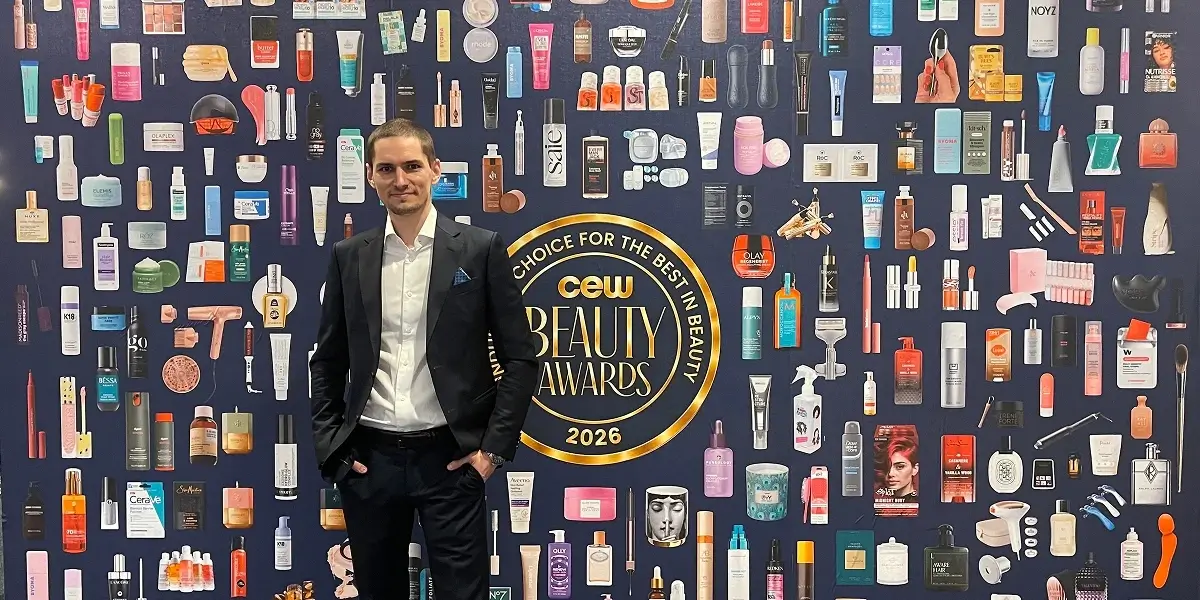
I flew to New York this week at the invitation of PIMS, a partner and good friends of mine in influencer microseeding, for the CEW Beauty Awards at the New York Hilton Midtown. Cosmetic Executive Women (CEW) is one of the most influential organizations in the beauty industry, and its awards are voted on by the people who build the business: brand founders, formulators, retailers and executives. It shows what the industry itself believes is worth rewarding.
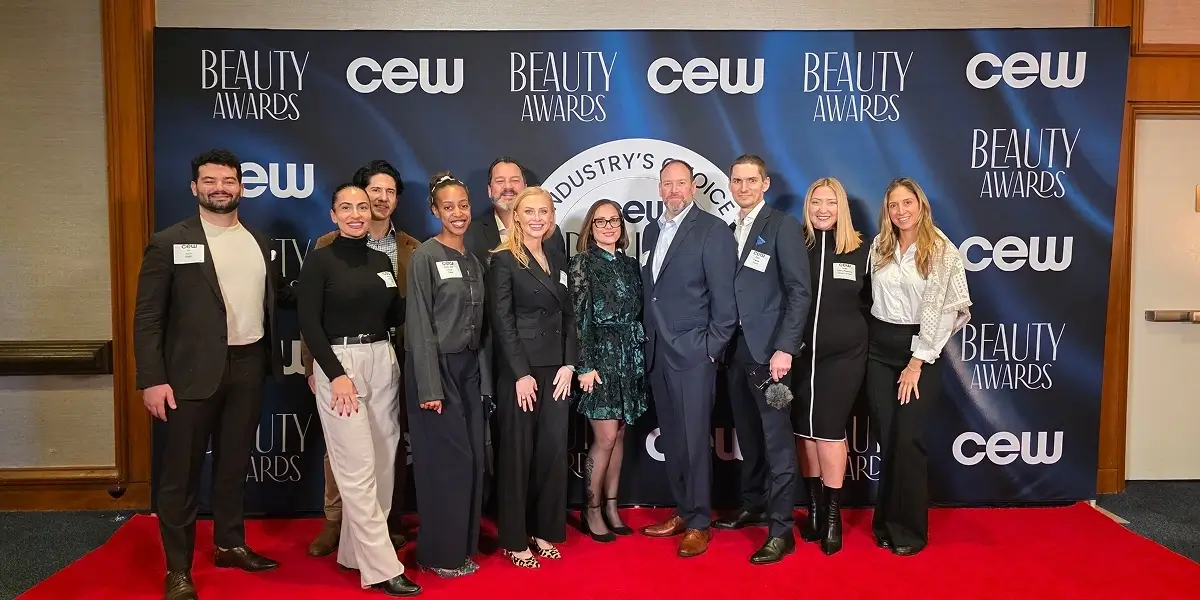
With the PIMS team at the gala
I went with one question. What is beauty rewarding this year in products, innovation, ingredients and trends?
So I photographed every winner and pulled the full ingredient list of each one. Then I compared the 39 winning products, from 36 categories with three ties, against all 280 finalists. I wanted to know what the winners have in common.

The president of the CEW organization, Elana Drell Szyfer
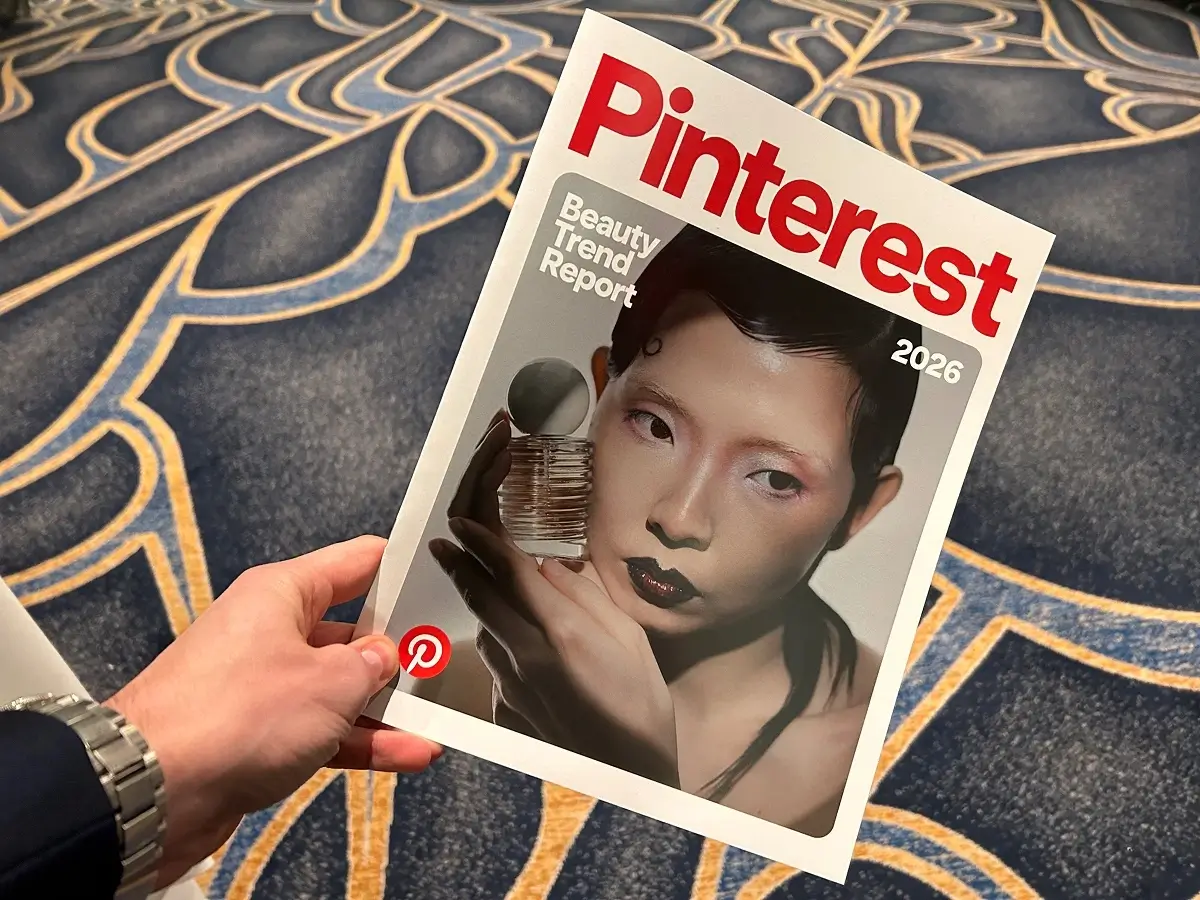
Clear patterns showed up. They cut across skincare, hair, body, fragrance and makeup, and they point to where beauty is heading over the next year or two. Where it helps, I’ve checked them against Pinterest’s first Beauty Trend Report, which was handed out at the event, to see whether consumers are moving the same way.
1. Repair Beats Transformation
The clearest pattern across the winners is a shift in what a product promises. Beauty no longer wins on promising a new you. It wins on fixing what’s damaged, stressed or irritated.
Pay close attention to the product names. Of the 280 finalists, 22 had repair-related words in their names: repair, recovery, relief, renew, calm. Seven of them won. That’s a 32% win rate, more than double the 14% average for all finalists. The seven winners came from almost every part of the store:
- Skin: Glow Recipe PDRN+ Repair + Soothe toner pads, Dieux Skin Mercy Intense Recovery Cream
- Hair: Crown Affair Overnight Repair Serum, PATTERN Repair360 Leave-In Foam
- Scalp: Briogeo Scalp Revival Dandruff Relief
- Body and wellness: OLLY Renew body wash, The Honey Pot Calming Herbal Infusion pads
The products that promised transformation did worse. Five finalists had “collagen” in their name, and none of them won.
The ingredient lists tell the same story. In the 35 winning formulas I could check:
- 12 contain panthenol (vitamin B5)
- 12 contain vitamin E
- 10 contain amino acids
- Ceramides, squalane and colloidal oatmeal, all classic barrier-support ingredients, appear across skin, lip and body winners
None of these are headline actives. They’re quiet workhorses that calm, hydrate and rebuild.
Consumers are going the same way. Pinterest’s 2026 Beauty Trend Report shows searches for “healthy skin barrier” up 71% and “scalp detox” up 21% year on year. Its “Skinvested” trend is about routines that maintain and restore rather than mask.
What this means for brands: “Repair” has become the claim that lets a product earn trust. Shoppers burned by retinol overload, bleach damage and heat styling want products that undo harm before they promise improvement. For the next two years, I’d expect launches in every category, including body care, hair color and even fragrance, to lead with recovery language and barrier-support ingredients.
2. Your Body Wash Is Now a Serum
For years, ingredients like peptides, retinoids and acids lived in serums. The 2026 winners show they’ve moved into everyday products. They’re now in body washes, deodorants, dry shampoos and lip care, often in the categories you’d least expect.
Check the labels, and many winners look like face serums:
- Old Spice Alchemist Cashmere & Vanilla Wood Body Wash, the Men’s Grooming winner, contains hyaluronic acid, a peptide, niacinamide, salicylic acid and vitamin C. That’s in a mass-market men’s body wash.
- OLLY Renew Mood+Skin Body Wash contains a retinoid (retinyl palmitate), niacinamide, vitamin C, vitamin D and B12.
- Phlur Rose Whip Deodorant uses salicylic acid, which treats underarm skin the way you’d treat a breakout-prone face.
- K18 AirWash, a dry shampoo, contains hyaluronic acid and K18’s biotech peptide.
- rhode Peptide Lip Boost combines four peptides with hyaluronic acid and a ceramide.
- Kosas Revealer Extra Bright, a concealer, contains peptides, caffeine and hyaluronic acid.
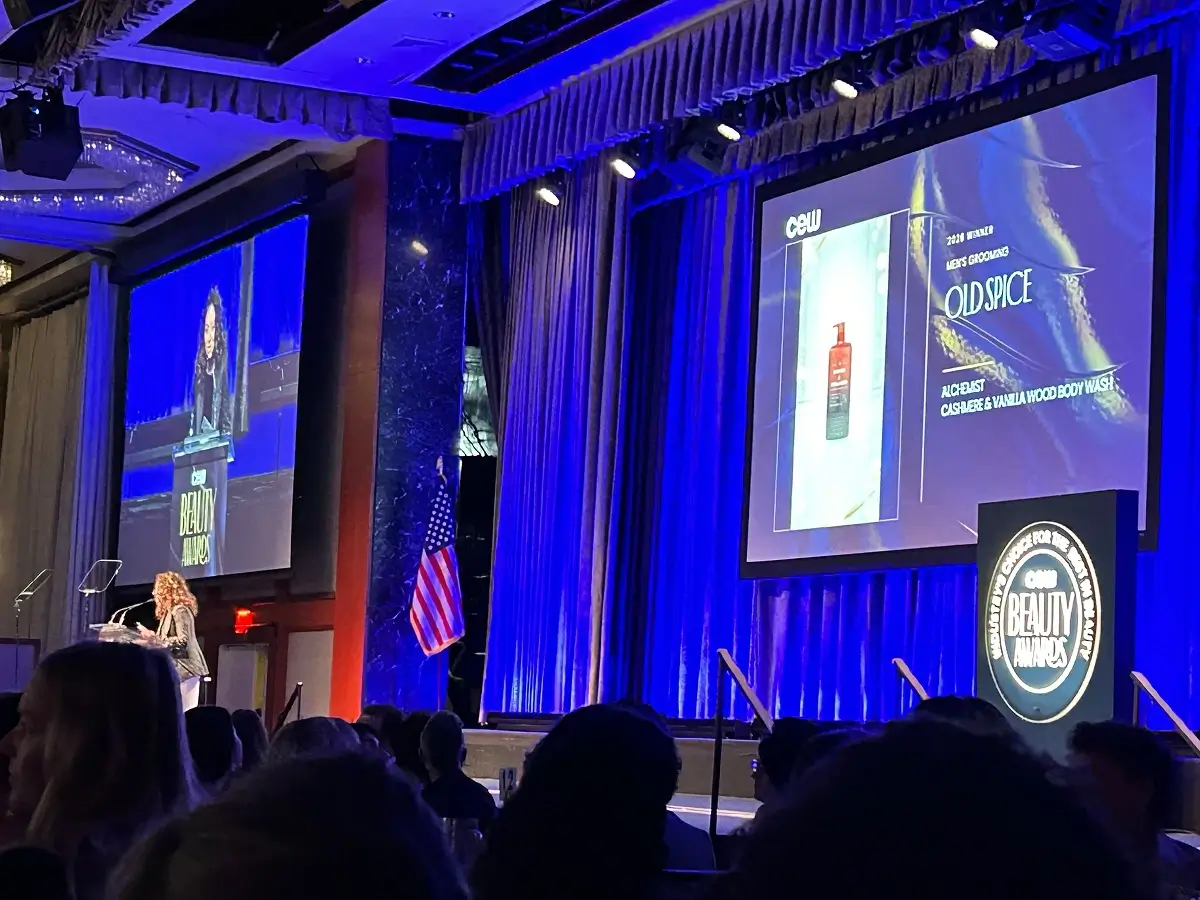

Old Spice won its category – Men’s Grooming
Peptides are the clearest example. They show up in 9 of the 35 winning formulas, but only two of those are face skincare. The rest are in body wash, lip treatment, lash serum (GrandeLASH), hair foam (PATTERN), dry shampoo and concealer.
Peptides were once a premium face-cream ingredient. They’re now a selling point in nearly every category.
Pinterest shows consumers are looking for the same thing. Searches for “retinol body lotion” are up 144%, and searches for “body wash for glowing skin” are up 206%.
What this means for brands: Shoppers now expect the same results from every product that touches their skin. A body wash that only cleans, or a deodorant that only blocks odor, now looks underbuilt. Over the next two years, I’d expect familiar facial actives to keep moving into body, scalp, lip and even makeup. Brands that can explain why an ingredient belongs in that product, rather than just adding it to the label, will win.
3. Lab-Made Ingredients Are the New Natural
A few years ago, the strongest value proposition was “natural”: plant extracts, oils and botanicals. That’s what I’ve heard all across my founder interviews at Cosmoprof Bologna last year. The 2026 winners show a new version of that story. The ingredients still come from nature, but they’re made, refined or reshaped in a laboratory.
You can see it across the categories:
- Glow Recipe PDRN+ Toner Pads won Facial Treatment with PDRN, an ingredient made popular by Korean skin clinics. Glow Recipe’s version is plant-derived and appears on the label as “Sodium DNA.”
- K18 AirWash is built on K18’s patented peptide, which is produced through biotech fermentation rather than extracted from a plant.
- GrandeLASH Peptide+ uses lab-engineered peptides to support lashes.
- SharkNinja FacialPro Glow pairs its device with formulas that contain several ferments.
- BASF Aloversil won the Supplier Award. It’s a peptide ingredient upcycled from sea-buckthorn seedcake, which is left over from juice and oil production.
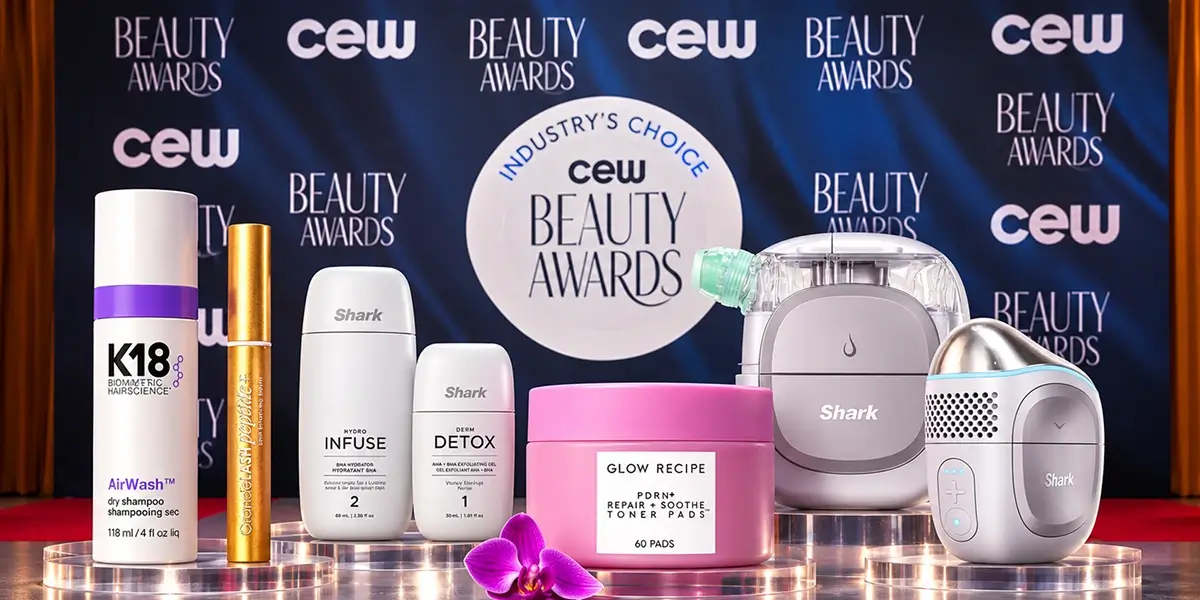
That last winner gives us a hint on the future. Every finalist was an ingredient maker, and the shortlist was full of advanced science: RNA-based actives, exosomes and NAD+. BASF Aloversil beat all of them, and it’s a much simpler story.
Aloversil is a peptide ingredient for scalp and hair care, aimed at men with visible shedding who want fuller, denser-looking hair. In BASF’s clinical study, people who used a hair serum containing Aloversil every day saw a visible improvement in hair coverage and density over four months.
That’s the takeaway. The winner wasn’t the most futuristic technology on the list. It combined four things this year’s winners keep sharing:
- A peptide
- A natural, upcycled source
- Clinical proof
- One clear consumer problem to solve
Fermented or biotech ingredients appear in 5 of the 35 winning formulas. That’s still a minority, but they won in some of the most competitive categories.
Consumer search is telling a different story. Pinterest’s “Farm to Face” trend shows rising interest in kitchen ingredients: rosemary water for hair is up 269% and rice water for the face is up 58%. Still, the winners suggest the two stories are merging. Rice appears in 7 winning formulas and rosemary in 4. The ingredients shoppers recognize from the kitchen are winning, but in refined, lab-made forms.
What this means for brands: “Natural” alone no longer sets a product apart. The winning formula combines an ingredient shoppers already trust with science that makes it work better: fermented, upcycled or bioengineered. For the next two years, I’d expect more brands to lead with how an ingredient is made, not just where it comes from.
4. Fragrance-Free Face, Dessert-Scented Body
On the face, scent is out. On the body and in hair care, it’s a big part of why people buy.
Face products: almost no fragrance. Of the 10 face and eye winners, 9 have no added fragrance. The only exception is SkinCeuticals A.G.E. Interrupter Ultra. Shoppers want face care to feel clinical and gentle, and fragrance reads as a risk.
Body and hair products: fragrance sells. Of the 11 body and hair winners, 10 list fragrance on the label. The one that doesn’t, Briogeo Scalp Revival, still smells strong, from tea tree and peppermint oils. In these categories, scent is part of the product.
The scent the winners keep coming back to is vanilla. Vanillin appears in 6 winning formulas, across very different categories:
- Salt & Stone Body Oil
- Phlur Rose Whip Deodorant
- MAC Lipglass Air and rhode Peptide Lip Boost
- Kilian Angels’ Share On The Rocks
- Notewrks Room for Dessert, which tied for the men’s fragrance award

The men’s grooming winner names it directly: Old Spice Cashmere & Vanilla Wood. Sweet, comforting scents are no longer just for women’s perfume. They’re in deodorant, lip care and men’s body wash.
Pinterest data shows the same appetite. Searches for “marshmallow perfume” are up 248%, “gourmand fragrance” up 147% and “milky perfume” up 134%. The report calls the trend “Eau So Cozy”: scents that feel warm, nostalgic and close to the skin.
What this means for brands: Fragrance strategy now depends on the category. Leave it out of face care, where “fragrance-free” is a selling point. Lean into it for body, hair and personal care, where scent is often why people buy again. For the next two years, I’d expect gourmand notes like vanilla, milk and coffee to keep moving from fine fragrance into everyday products.
5. Mood Is the New Skin Claim
Two of this year’s winners promise more than a physical result. They promise to change how you feel, and both won wellness categories.
- OLLY Renew Mood+Skin Body Wash won Wellness. OLLY started as a supplement brand, and this product brings its mood positioning into the shower. The scent is designed to help you wind down, and the formula still carries skincare actives like a retinoid and niacinamide. The name puts mood and skin side by side.
- The Honey Pot Calming Herbal Infusion Overnight Pads won Sexual Wellness. The pads are infused with ashwagandha, lemon balm and lavender, ingredients better known from teas and supplements than from personal care.
Both products sell relief from stress, poor sleep or discomfort, and they borrow ingredients and language from the supplement aisle to do it. This fits the repair pattern from section one, applied to the person rather than the skin barrier.
What this means for brands: The line between beauty, supplements and wellness is fading. A body wash can now credibly claim to help you relax, and a personal-care pad can carry adaptogens. Over the next two years, I’d expect more supplement brands to move into topical products and more beauty brands to borrow supplement ingredients. Brands that can back mood claims with real science will stand out from those that only borrow the vocabulary.
6. Price Doesn’t Decide the Winner
The 2026 winners range from about $9 to $185, and the cheap end held its own.
At least 9 of the 39 winning products cost $20 or less:
- CeraVe Blemish Barrier Patches ($8.96)
- The Honey Pot Calming Herbal Infusion Overnight Pads ($8.97)
- OLLY Renew Mood+Skin Body Wash ($9.97)
- essie Ballet Slippers ($9.99)
- Old Spice Alchemist Body Wash ($12.97)
- BYOMA Foaming Rice Deep Cleanser ($13.99)
- Beauty of Joseon Day Dew Sunscreen ($18)
- milk_shake Icy Blond Toning Spray ($18)
- La Roche-Posay Toleriane Milky Cleanser ($19.99)
That’s nearly a quarter of all winners. At the other end, SkinCeuticals A.G.E. Interrupter Ultra costs $185. Mass and prestige products won side by side, often in the same section.
The earlier sections explain why. When products win on repair, proven ingredients and a clear result, a $9 body wash can compete with a $90 one. The peptides, hyaluronic acid and niacinamide in the Old Spice and OLLY winners show that skincare-grade ingredients are no longer limited to high price points.
What this means for brands: Price is no longer a reliable sign of quality, and shoppers know it. When a $9 body wash carries the same actives as a serum, premium brands have to show what the extra money buys: clinical results, an ingredient no one else has, or a brand story people want to be part of. For mass brands, the lesson runs the other way: investing in the formula pays off, because a low price no longer makes a product look less serious. Over the next two years, I’d expect the gap in ingredients between mass and prestige to keep shrinking. Prestige brands will compete less on what’s in the bottle and more on proof and experience.
What It All Means for 2027
Taken together, the 39 winners point to one shift. Beauty is moving from promise to proof. The products that won don’t sell a fantasy. They fix damage, use ingredients people can trust, and show why those ingredients belong in that product, whether it’s a $9 body wash or a $185 serum. Skincare thinking is spreading to every part of the routine, from scalp to shower to lips. Science and nature are no longer opposites. Scent and mood are becoming reasons to buy, not just finishing touches.
For brands planning launches in 2027, my advice is simple: lead with what the product repairs, explain your science in plain words, and don’t count on novelty alone to win. The industry has already voted on what it values. Shoppers are already searching for what comes next. The brands that win next year will be the ones that close that gap first.