


Vitafoods Europe 2026 has become one of the clearest indicators of where the global supplement industry is heading next. 1,400+ exhibitors, 22,000+ attendees, and brands from 160+ countries gathering around one question: what will consumers want next?
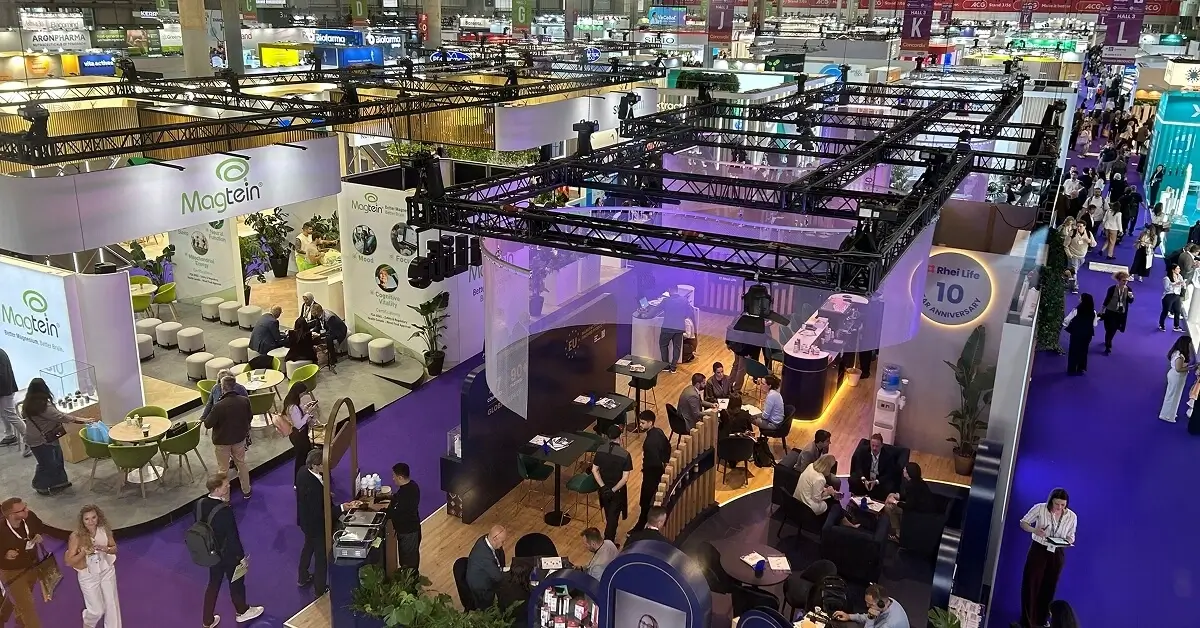
For years, the category was dominated by gym-focused products, generic wellness claims, and isolated ingredients marketed as miracle solutions. But walking through Vitafoods this year, a very different picture emerged.
Consumers are no longer just looking for “health.”
They want:
- longevity,
- cognitive performance,
- stress resilience,
- metabolic support,
- better recovery,
- and sustainable energy for everyday life.
At the same time, expectations around supplements are rising. People want stronger science, cleaner formulations, better formats, and products that fit naturally into their routines.
At Vitafoods Europe, we interviewed more than 30 supplement founders & manufacturers to understand where the market is heading next.
Here are the 9 biggest trends shaping the future of supplements after Vitafoods Europe 2026.
#1 Longevity Becomes the Master Category
If there was one theme that dominated Vitafoods Europe 2026, it was longevity. Not in the old “anti-aging” sense, but as a broader pursuit of staying mentally sharp, physically capable, energetic, and resilient for longer.
That shift was visible across almost every category at the show. Cognitive health, metabolic support, mitochondrial function, stress resilience, beauty-from-within, recovery, sleep, and muscle preservation are increasingly being grouped under the same longevity umbrella. Consumers are no longer just looking for products that solve isolated problems. They want systems that help them maintain performance and quality of life over time.
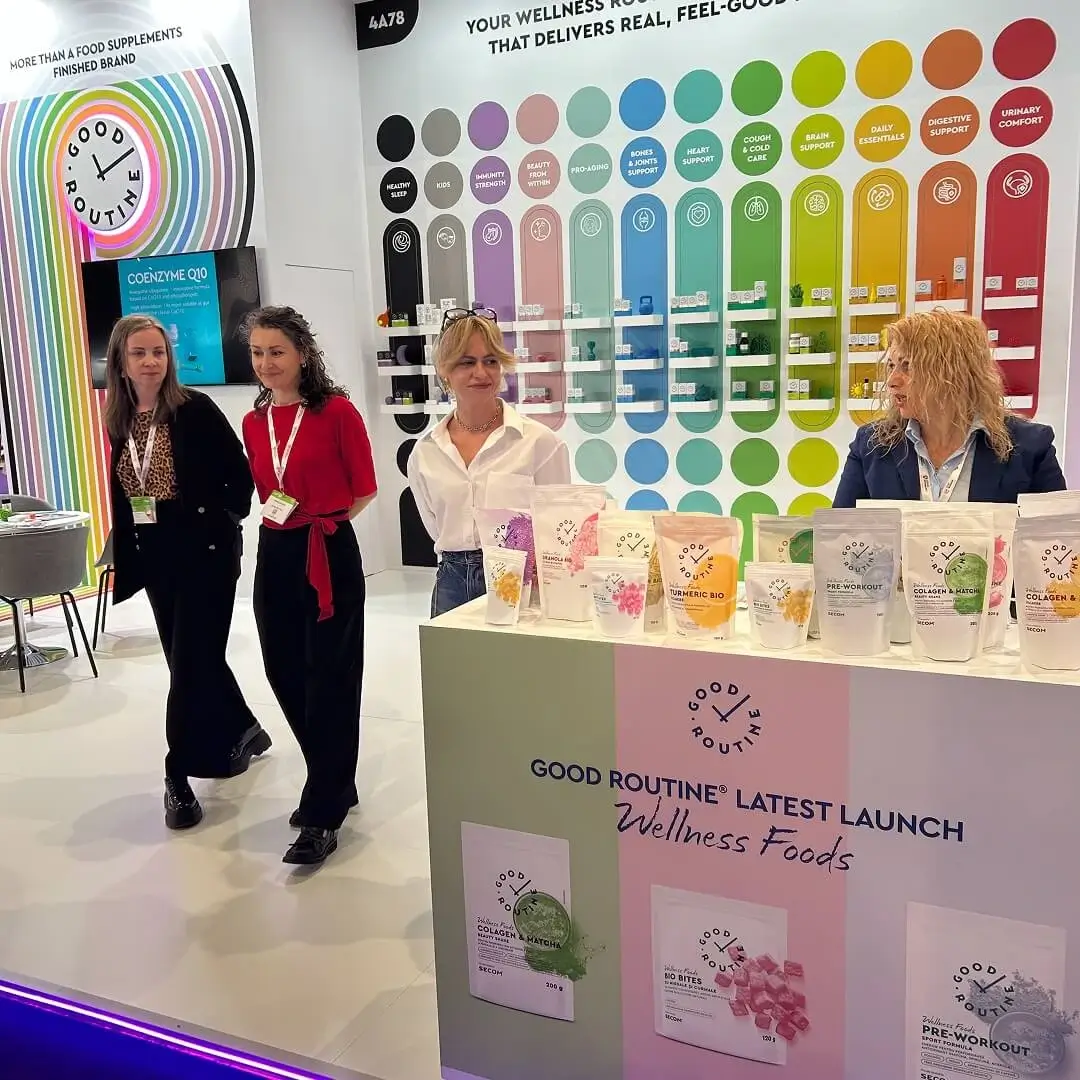
Good Routine® by SECOM, a Romanian supplement brand. Their “Good-Aging” line — which appeared on the Vitafoods Europe 2026 new ingredient showcase — targets the nine hallmarks of aging with MGCPQQ, spermidine, fisetin, carnosine, and trans-resveratrol.
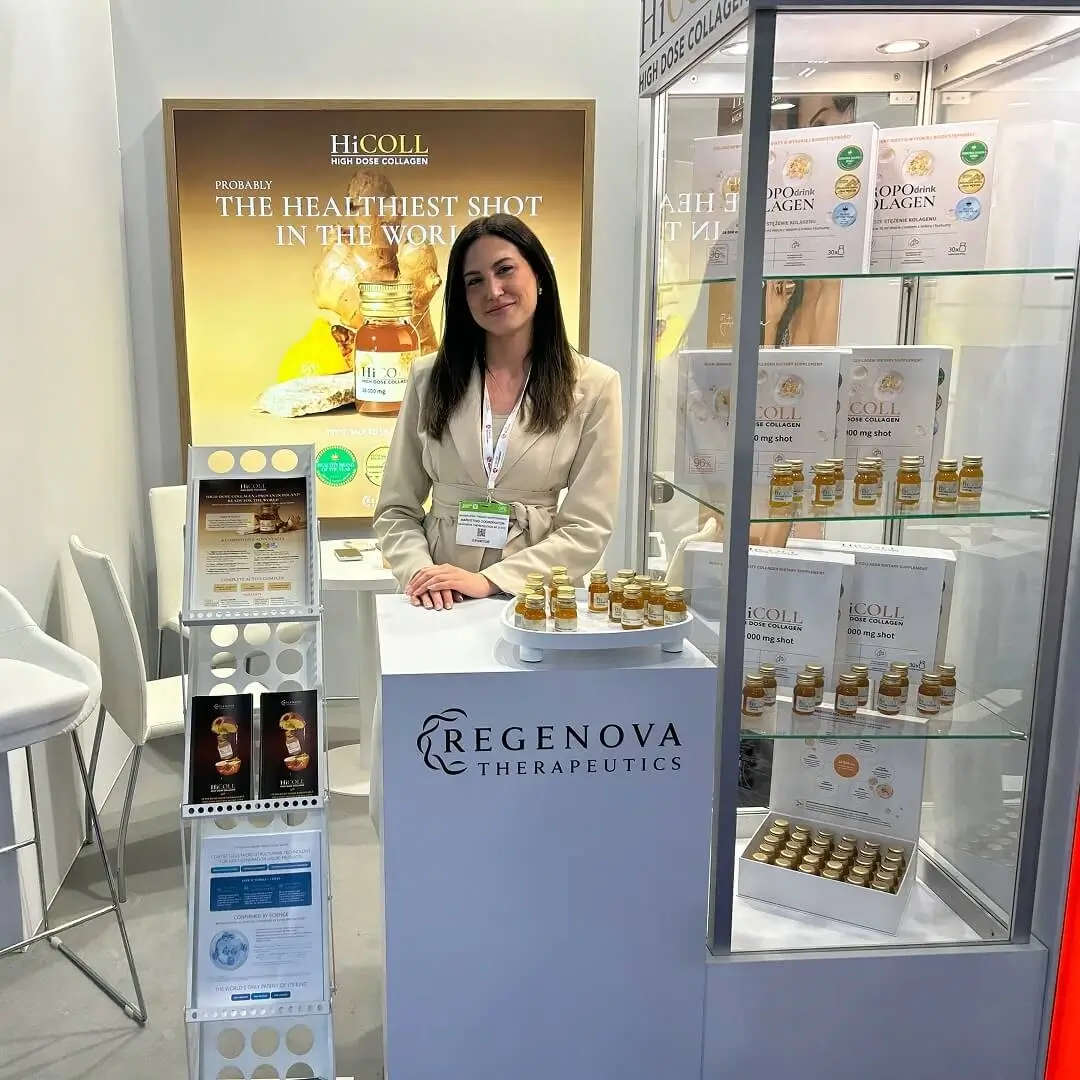
HiColl is a newly launched brand from Regenova Therapeutics, a Polish medical and beauty distributor based in Wrocław with over 15 years in the collagen therapeutics space.
One of the clearest examples came from René Pfneiszl, where longevity was framed through cellular energy production rather than superficial anti-aging claims.
“If you can improve the repair process in your cells, that means that you have more vital cells for longer. And that’s exactly what longevity is all about.” – René Pfneiszl, Prof. George Birkmayer NADH (Austria)
What stood out at Vitafoods Europe was how practical the longevity conversation has become. Brands are moving away from vague promises and instead focusing on measurable benefits like ATP production, muscle retention, cognitive function, recovery, and metabolic efficiency.
This also explains why ingredients like creatine, magnesium, collagen peptides, medicinal mushrooms, and NADH are suddenly being discussed in completely new contexts. Everything is being reframed through the lens of long-term vitality and optimized aging.
🔬 WHERE THESE TRENDS BECOME STRATEGY
The ingredient innovations on the Vitafoods floor don’t exist in a vacuum. They need positioning, capital, and the right room to turn into brands people actually buy.
That’s exactly what INNOCOS does.
The INNOCOS Longevity Summit series is the only executive platform sitting at the intersection of beauty, longevity science, and investment — connecting brand founders, biotech scientists, and investors in rooms where deals actually happen.
Evolut’s Insight
Longevity is becoming the supplement industry’s new master category. The brands that win won’t market “living forever.” They’ll market feeling better, functioning better, and staying capable longer in everyday life.
#2 Creatine Escapes the Gym
One of the biggest shifts at Vitafoods Europe was the repositioning of creatine. For years, creatine lived almost exclusively inside bodybuilding and sports nutrition. This year, it showed up everywhere, from healthy aging conversations to cognitive health, women’s wellness, and even pharmacy-focused products.

Candy Glam — A Spanish functional snacking brand turning gummies and bars into performance nutrition.
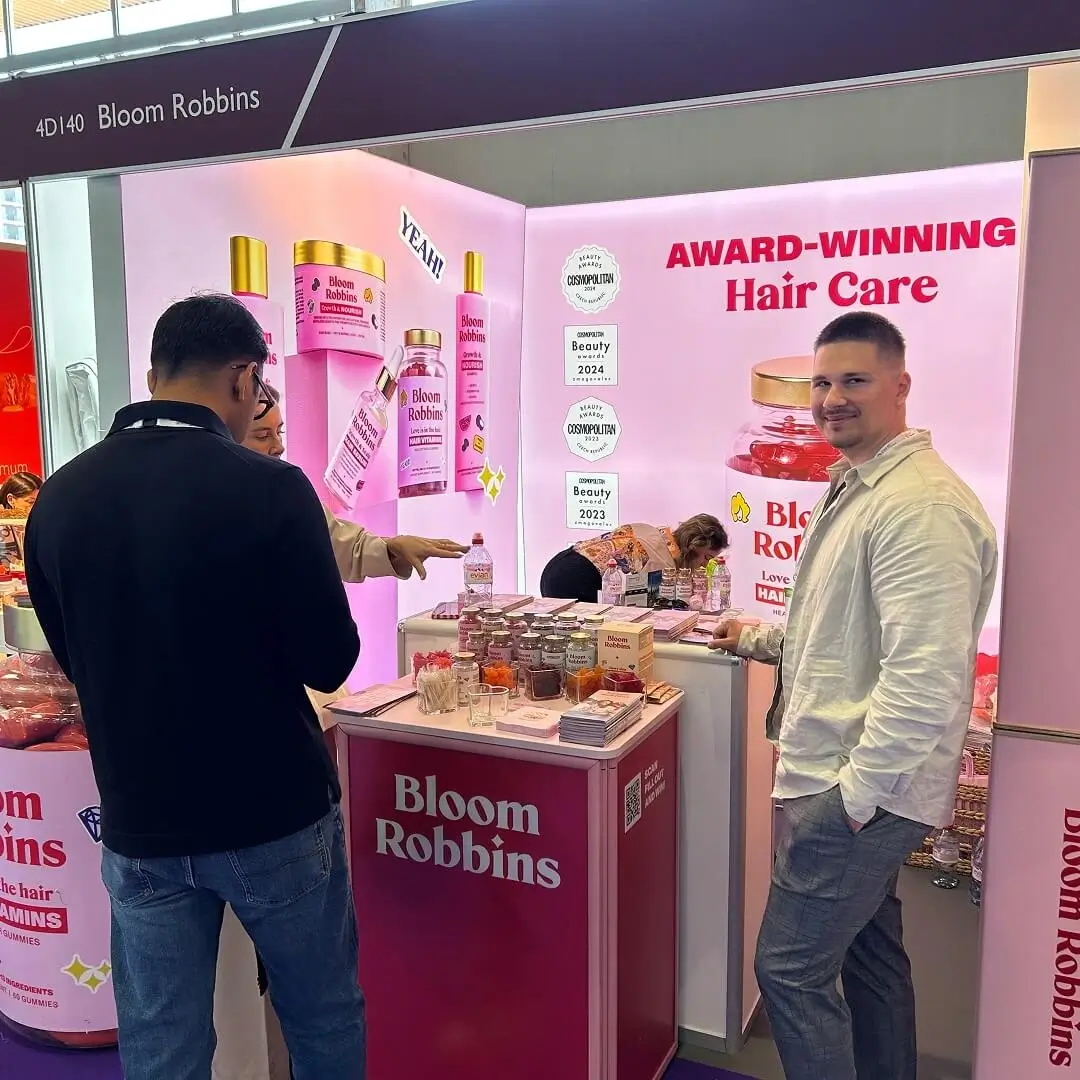
Bloom Robbins — A Slovak-founded beauty supplement brand that’s become the most recognized hair supplement in Slovakia and the Czech Republic positioned around hair growth, skin radiance, and nail strength.
Several exhibitors mentioned the same thing independently: creatine is moving into the mainstream consumer market at a speed few expected.
One founder summed it up perfectly:
“Before, creatine was a supplement that was used mostly for sports people and fitness consumers. And now even my mom is taking creatine.” – Josep Mir García, Best Protein (Spain)
The reason behind the shift is simple. New research around cognition, aging, recovery, and muscle preservation is expanding creatine far beyond gym performance. Consumers increasingly associate it with:
- brain health,
- energy production,
- healthy aging,
- and maintaining muscle mass later in life.
The GLP-1 boom is accelerating this trend even further. As rapid weight loss medications increase concerns around muscle loss, brands are repositioning creatine as a preservation tool, not just a performance enhancer.
What also stood out was the explosion of new formats. Creatine gummies were nearly impossible to avoid at Vitafoods Europe this year. Multiple brands launched creatine-focused gummies, stick packs, and wellness-oriented formulations designed for mainstream consumers rather than athletes.
Evolut’s Insight
Creatine may become what magnesium became over the last decade: a mainstream, daily-use wellness ingredient adopted far beyond its original niche. The brands that win won’t market creatine like a hardcore sports supplement. They’ll position it as an everyday performance ingredient for modern life.
#3 The GLP-1 Effect Is Reshaping Supplement Innovation
You could not walk through Vitafoods Europe 2026 without hearing about GLP-1.
What started as a pharmaceutical trend around Ozempic and weight-loss medications is now creating ripple effects across the entire supplement industry. And most brands are still underestimating how big this shift could become.
What’s even more interesting is that an entirely new ecosystem is starting to emerge around managing the side effects of GLP-1 medications. And honestly, walking through Vitafoods, we had the feeling that the “GLP-1 support economy” may eventually become bigger than the GLP-1 category itself.
That is creating entirely new supplement opportunities.
One exhibitor explained it directly:
“GLP-1 medications have certain side effects, and supplement companies can come in and help to counteract those potential side effects.” – Soohyun Paik, Biomenrich (South Korea)
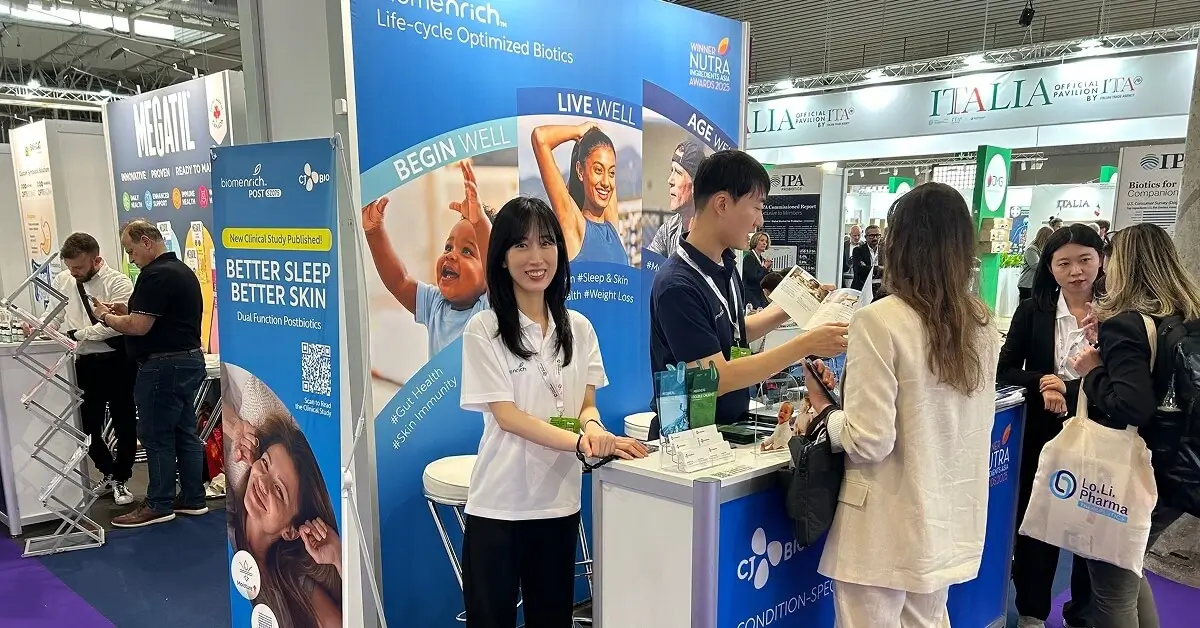
CJ BIO — BiomeNrich™ — The biotics platform from CJ CheilJedang, one of South Korea’s largest biotech conglomerates. BiomeNrich offers condition-specific probiotic and postbiotic ingredients across five health verticals: beauty from within, gut health, women’s health, healthy aging, and mental health.
This is one of the reasons protein, creatine, collagen, fiber, and metabolic health ingredients were mentioned so frequently throughout the event. Brands increasingly position these products around preservation:
- preserving muscle,
- preserving skin quality,
- preserving energy,
- and preserving healthy aging during weight loss.
Fiber was another major winner in these conversations. Several brands highlighted how GLP-1 medications are shifting consumer attention toward satiety, digestion, and metabolic health.
What makes this trend especially important is that it connects pharmaceutical behavior with consumer wellness behavior. The supplement industry is no longer operating separately from healthcare trends. It is increasingly reacting to them in real time.
Evolut’s Insight
GLP-1 may become the supplement industry’s biggest indirect growth driver of the decade. But the winning brands won’t market “weight loss support.” They’ll focus on helping consumers maintain strength, appearance, recovery, and overall vitality while using these medications.
#4 Mushrooms & Adaptogens Go Mainstream
A few years ago, medicinal mushrooms still felt like a niche wellness category mostly associated with biohackers and alternative health communities. At Vitafoods Europe 2026, that changed completely.
Lion’s Mane, Reishi, Cordyceps, Ashwagandha, and broader adaptogen formulas appeared across the show floor in gummies, powders, capsules, shots, and functional beverages. Lion’s Mane in particular kept coming up repeatedly during interviews, often mentioned as one of the fastest-rising ingredients around cognition, focus, and healthy aging.
One exhibitor put it simply:
“Mushroom extracts can help with a wide range of modern diseases. They can regulate the immune system, increase immune function when it’s weak, and help regulate it when it’s too active” – Martin Schirlo, MycoMedica
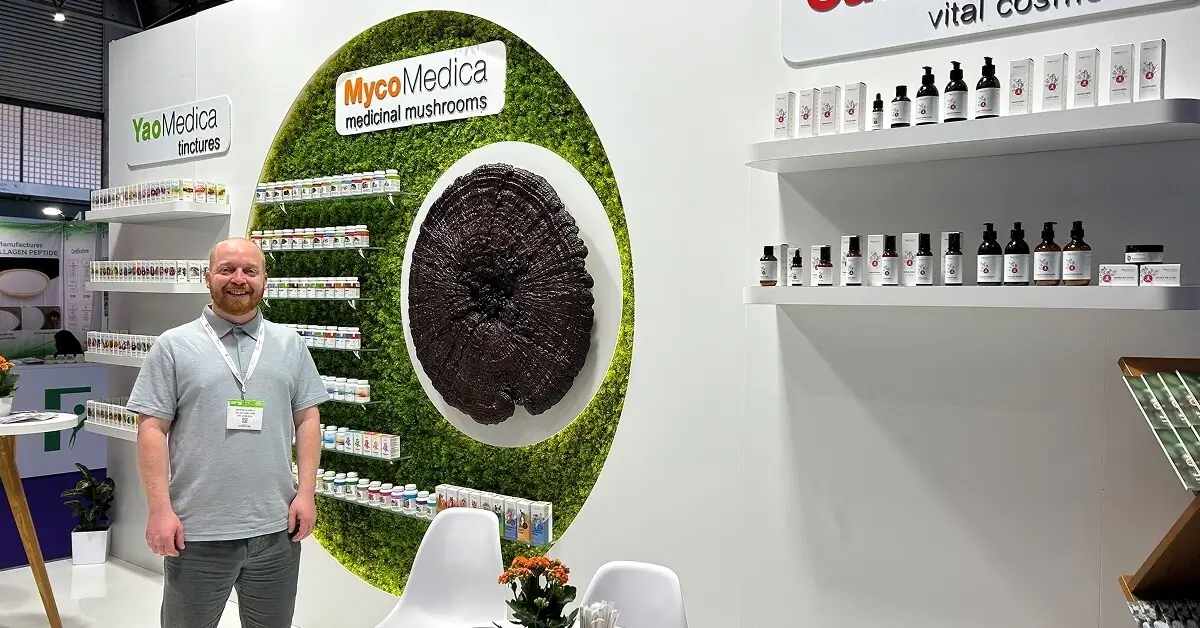
MycoMedica — Europe’s largest independent producer of medicinal mushroom supplements, based in Podkoren, Slovenia. Founded 15+ years ago by Traditional Chinese Medicine practitioners.
Another founder highlighted how awareness is finally catching up to the science:
“Lion’s mane has a lot of scientific evidence behind it, but people still don’t know enough about it.” – Zdenék Sváta, Terezia (Czech Republic)
That exact pattern kept appearing repeatedly throughout Vitafoods Europe. Many brands described mushrooms and adaptogens as ingredients with strong scientific or historical foundations, but still relatively low mainstream consumer understanding. In other words: high upside categories that are still early in their adoption curve.
Evolut’s Insight
The mushroom market is maturing fast, but the biggest opportunity is no longer the ingredient itself. It’s consumer education. The brands that win won’t just sell Lion’s Mane or adaptogens. They’ll simplify the science and translate complex benefits into everyday outcomes people immediately understand.
#5 Women’s Health Is Becoming a Power Vertical
Women’s health is no longer a niche category in supplements. It’s becoming one of the industry’s biggest commercial opportunities. Menopause, hormonal balance, vaginal health, cognitive support, beauty-from-within, stress management, healthy aging, and even sports nutrition are increasingly converging into a much larger women-focused wellness ecosystem.
One of the strongest observations came from Enzymedica:
“Women’s health matters a lot more now. Women are the door to supplements into the household.” – Leonid Coloma, Enzymedica (US)
That insight came up repeatedly in different forms throughout the event. Women are increasingly influencing not only their own supplement routines, but also purchasing decisions for partners, children, and family wellness overall. In many ways, women’s health is becoming one of the supplement industry’s strongest entry points into broader household consumption.
At the same time, more specific categories are accelerating quickly. Several exhibitors mentioned menopause and hormonal health as major growth areas that are finally receiving mainstream attention after years of being underserved.
“Menopause, women’s health and vaginal health are some of the biggest trends right now.” – Mathias E.H. Madsen, Cell Biotech (South Korea)
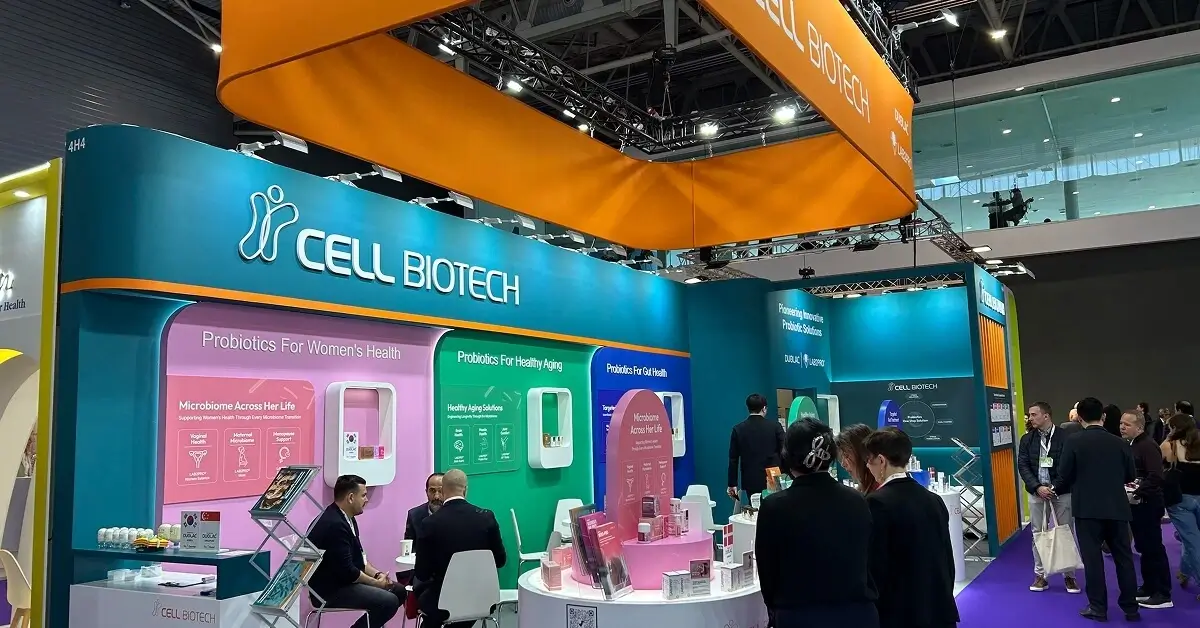
Cell Biotech — South Korea’s #1 probiotics exporter, founded by microbiologists in 1995. The company behind DUOLAC (Korea’s top premium probiotic brand since 2005).
What makes this trend especially powerful is how interconnected it has become with other major industry themes.
- Longevity brands are increasingly targeting women.
- Cognitive health products are being repositioned around hormonal balance and stress resilience.
- Beauty supplements now speak about aging, recovery, and inflammation rather than only appearance.
- Even omega-3 brands discussed the growing focus on women and children during the show.
Evolut’s Insight
Women’s health is becoming one of the industry’s core growth drivers. The brands that win will move beyond surface-level marketing and build products around real-life outcomes: better energy, hormonal balance, cognition, stress support, healthy aging, and everyday functionality – and increasingly back those claims with their own scientific proof and clinical validation.
#6 Hydration & Electrolytes Become Premium Wellness
Hydration was everywhere at Vitafoods Europe, but not in the old sports drink sense.
What used to be a basic fitness category is rapidly evolving into a broader wellness and performance market connected to energy, cognition, recovery, longevity, and daily functionality. Electrolytes, mineral complexes, magnesium, and hydration-focused powders appeared across multiple categories, often positioned far beyond sports nutrition.
One exhibitor described the shift clearly:
“I think people are learning a lot about minerals. Vitamins are great, but people forget about minerals, and they actually facilitate the process that vitamins get all the credit for.” — Mason McCloy, Trace Minerals (US)
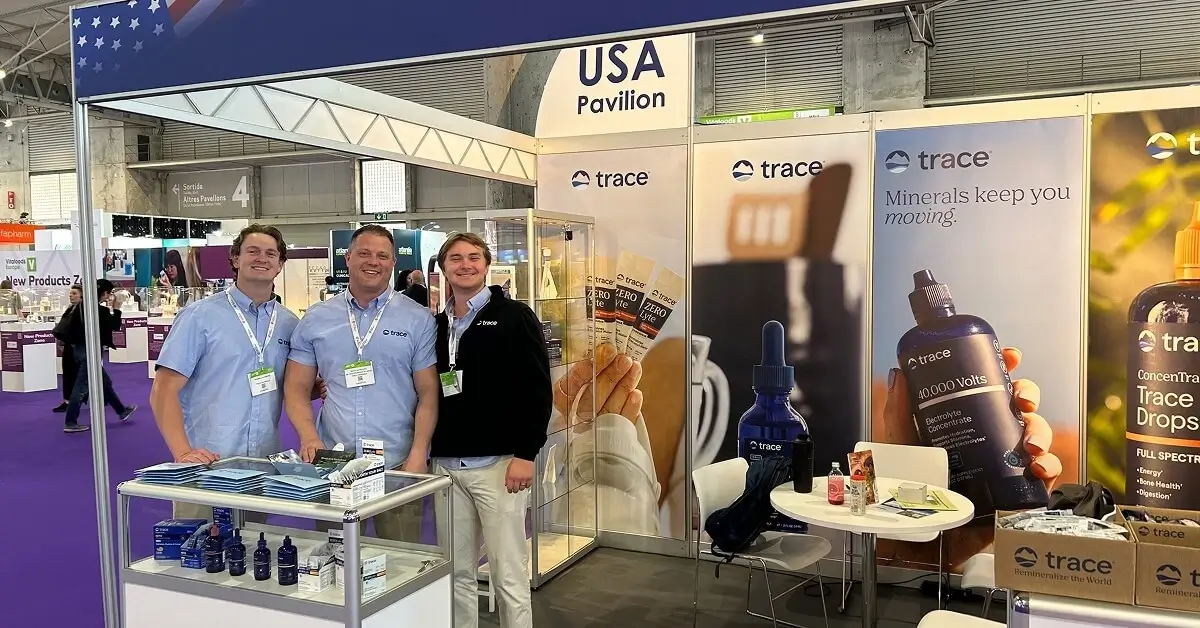
Trace Minerals — A 50-year-old American supplement brand built on a single, powerful origin story: ionic trace minerals harvested from Utah’s Great Salt Lake, one of the most mineral-dense bodies of water on the planet.
What makes this trend interesting is that hydration is becoming increasingly premiumized. Consumers are learning that hydration is not simply about drinking more water. Brands now educate around mineral balance, absorption, electrolyte quality, magnesium forms, and cellular hydration.
Several companies also mentioned that minerals are finally receiving more consumer attention after years of vitamins controlling the conversation.
This trend also overlaps heavily with other fast-growing categories. Hydration products are now connected to:
- cognitive performance,
- stress management,
- energy support,
- fasting,
- sports recovery,
- and even GLP-1-related wellness routines.
Format innovation is accelerating the category even further. Stick packs, sachets, powders, and liquid shots dominated hydration-focused booths because they fit naturally into modern consumer habits. Convenience is becoming just as important as efficacy.
Evolut’s Insight
Hydration is evolving into “functional wellness infrastructure.” The brands that win won’t sell electrolytes as gym products. They’ll position hydration as a foundational tool for everyday performance.
#7 NAD⁺ Precursors & Cellular Energy Go Mainstream
Another major longevity-driven trend at Vitafoods Europe 2026 was the growing focus on cellular energy and NAD⁺-related ingredients. What used to be a highly technical biohacking niche is now entering the mainstream supplement conversation. Brands increasingly talked about mitochondrial health, ATP production, energy metabolism, and cellular repair, not as futuristic concepts, but as practical solutions for fatigue, cognitive performance, recovery, and healthy aging.
One of the clearest examples came from Prof. George Birkmayer’s NADH interview:
“NADH is one of the key components your body needs to produce energy. Everything in your body needs ATP, because it’s basically the gasoline of your body.” – René Pfneiszl, Prof. George Birkmayer NADH
At the same time, another important shift became visible across the show floor: brands are no longer competing only on ingredients, but increasingly on absorption and bioavailability. Consumers are becoming more educated, and many companies now emphasize that even strong formulations lose value if the body cannot absorb them efficiently.
Bronn highlighted this directly during our interview:
“Consumers are much more educated now. They are looking not only at the ingredient itself, but also at how efficiently it works in the body.” – Philip Caerts, Bronn

With BRONN founders Philip and Christophe. BRONN is a Belgian high-absorption longevity supplement brand built around patented ABSORPTIX® technology, engineered to maximize bioavailability at the cellular level.
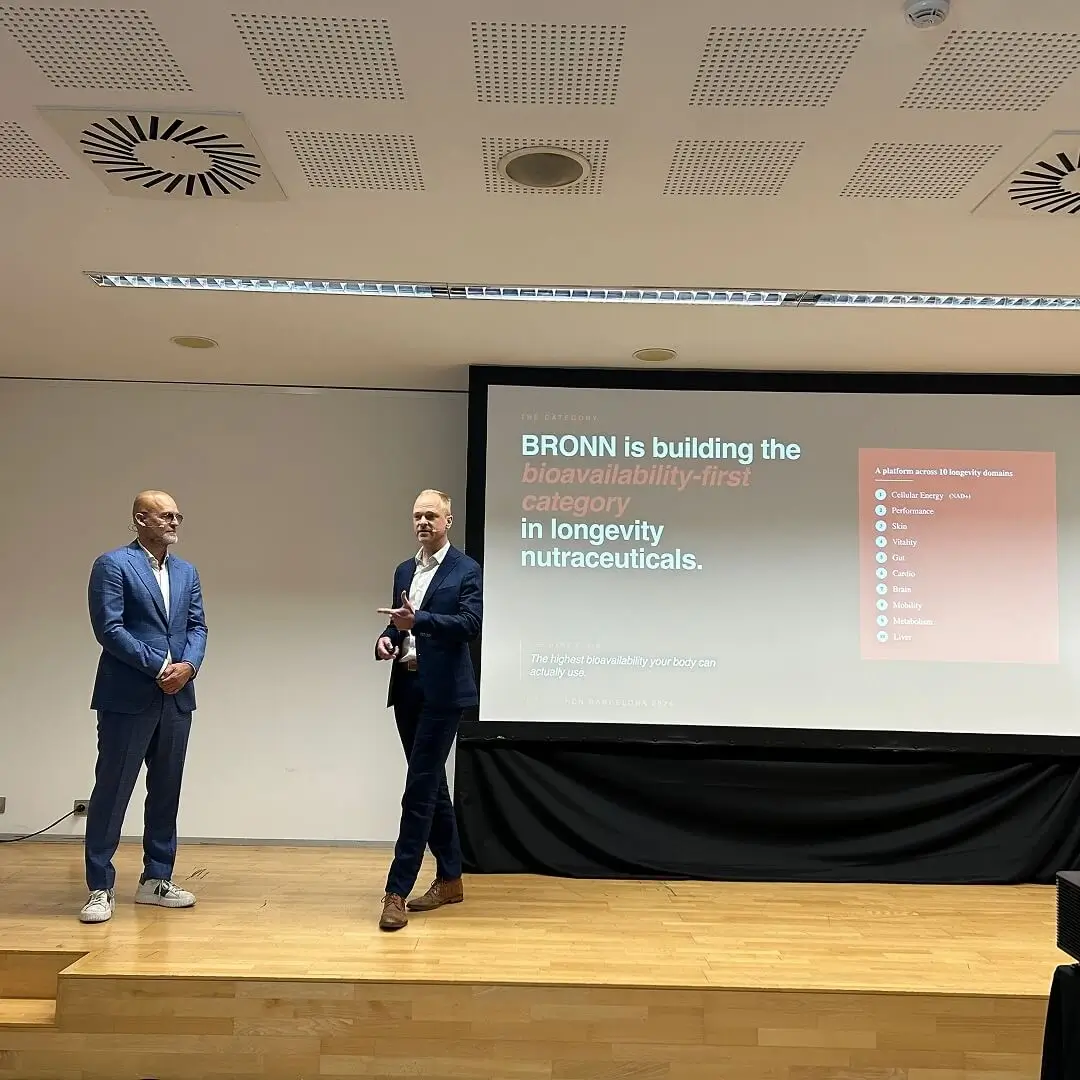
Philip and Christophe are presenting at the Nutrition Capital Network investor event in Barcelona.
That is also where Bronn’s Absorptix technology comes in, a formulation method designed to improve nutrient absorption and ingredient stability. And this matters much more than most consumers realize. In categories like longevity, minerals, probiotics, and NAD⁺ precursors, efficacy often depends as much on delivery systems as on the ingredient itself. That is why liposomal technologies, liquid formats, advanced probiotic coatings, and enhanced absorption systems appeared repeatedly throughout Vitafoods this year.
Evolut’s Insight
The NAD⁺ category is pushing the supplement industry toward a much more sophisticated phase, where the real differentiator is no longer just the ingredient itself, but how effectively it reaches the cell. Most consumers still think supplementation is about dosage. The industry increasingly understands it is about delivery efficiency, stability, and bioavailability (!!).
#8 Science & Branded Ingredients Matter More Than Ever
One of the strongest shifts at Vitafoods Europe 2025 was the growing importance of proof.
The supplement industry is becoming more crowded, more competitive, and much more educated at the consumer level. A few years ago, many brands could still win with strong branding and broad wellness claims alone. That is becoming harder. Consumers increasingly want evidence that a product actually works, not just aesthetically pleasing packaging or trendy ingredients.

New Products Zone — Vitafoods Europe’s curated showcase of the latest finished products hitting the nutraceutical market.

Tasting Centre — The hands-on, sensory side of Vitafoods. This is where ingredient suppliers and finished product brands bring their formulations to life
What stood out during the interviews was how often companies talked about clinical validation, measurable efficacy, formulation science, and branded ingredients instead of generic marketing language. The conversation at Vitafoods felt noticeably more technical this year.
Biomenrich explained this very directly:
“In the nutrition industry, having solid clinical data is the most important thing.” – Soohyun Paik, Biomenrich (South Korea)
The company also highlighted that they conduct placebo-controlled, double-blind studies in Korea using healthy subjects to validate efficacy. That level of scientific investment is becoming increasingly important as consumers become more skeptical and ingredient-aware.
Hifas de Terra pointed toward the same direction when discussing their ongoing clinical research around medicinal mushrooms:
“We are finalizing our clinical study using our product Mico-Mama, and it’s probably the largest clinical study that we have conducted till now.” – Isabel González de los Reyes, Hifas de Terra
What makes this trend especially important is that “science” is no longer only a regulatory or R&D topic. It is becoming branding itself.
Consumers increasingly associate clinically studied ingredients, patented formulations, and branded compounds with trust and premium quality. Bloom Robbins mentioned this directly while discussing their ingredient sourcing strategy:
“We are trying to find manufacturers who have branded ingredients, who have clinical studies.” – Tomás Machacek, Bloom Robbins (Slovakia)
And that shift changes the economics of the industry.
In saturated categories like collagen, magnesium, probiotics, creatine, hydration, or mushrooms, raw ingredients are increasingly becoming commodities. Almost everyone can access similar base materials. What creates differentiation now is:
- formulation quality,
- scientific backing,
- branded ingredients,
- bioavailability,
- and measurable efficacy.
This is also why so many companies at Vitafoods talked about absorption technologies, delivery systems, stability testing, and clinically effective dosages. The market is slowly moving away from “more ingredients” toward “better-performing ingredients.”
Evolut’s Insight
The supplement industry is entering its “evidence economy” era.
The next generation of winning brands won’t simply market trends. They’ll own scientific positioning. And in many categories, clinical validation may become one of the few remaining defensible advantages left.
#9 Retail & Consumer Behavior Are Changing Fast
One of the biggest underlying shifts was about how consumers are buying supplements altogether.
The modern supplement consumer behaves very differently compared to even five years ago. People are becoming more educated, more skeptical, and significantly more self-directed in their health decisions. Instead of relying only on doctors or traditional retail recommendations, consumers increasingly research ingredients themselves through TikTok, Reddit, podcasts, YouTube, creators, and now AI tools.
That shift is changing what consumers value.
A strong example came from Terezia:
“People are a little bit allergic to private labels now, because you never really know where the product comes from. It may say produced in Czech Republic, but often it was only relabeled or repacked there. Nobody knows what is behind that.” – Zdenék Sváta, Terezia
That insight reflects a much broader market trend. Consumers are no longer only looking for attractive branding or low prices. They increasingly care about:





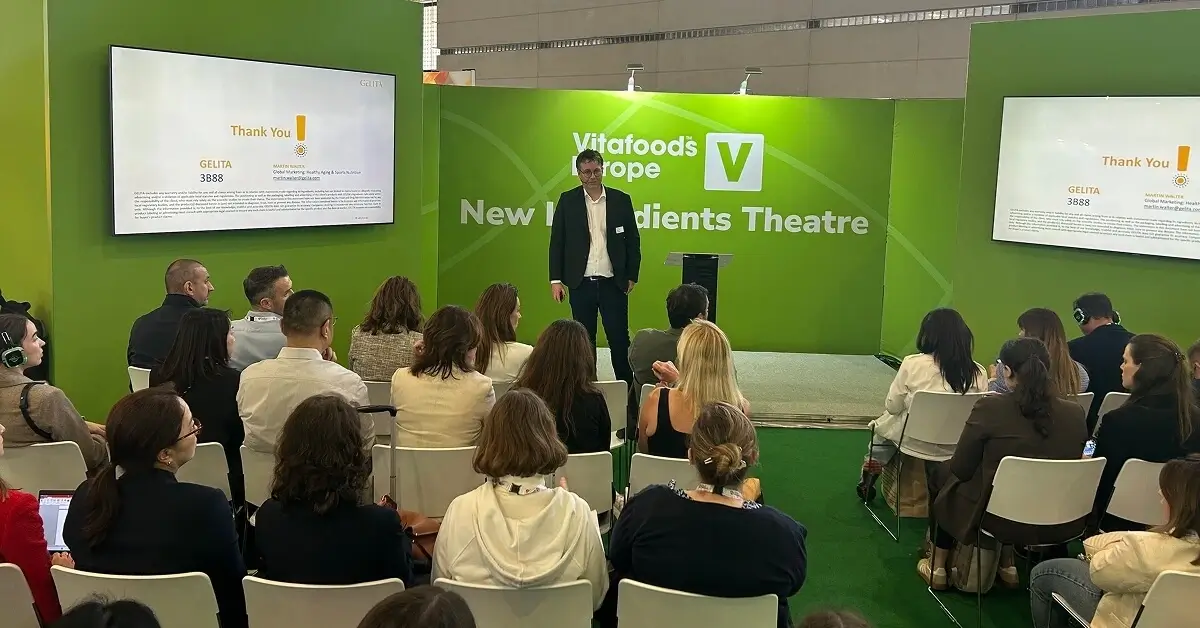
GELITA presentation at Vitafoods Europe 2026 — “Collagen Peptides: Myths — Friends or Foes?” GELITA’s bold argument was that every myth about collagen peptides actually built the category.
This is also why so many brands at Vitafoods Europe emphasized in-house manufacturing, quality control, certifications, and scientifically validated formulations. Trust is becoming one of the industry’s biggest competitive advantages.
At the same time, convenience is becoming a major purchase driver. Consumers want supplements that fit naturally into their routines instead of feeling clinical or inconvenient. That explains the explosion of stick packs, liquid shots, gummies, powders, and functional beverages across the show floor.
But the deeper shift is psychological. Supplements are no longer purchased only for “health.” They are increasingly tied to identity, productivity, appearance, performance, and lifestyle optimization. Wellness products are becoming daily rituals rather than occasional purchases.
Evolut’s Insight
The brands that win won’t simply have good products. They’ll make consumers feel confident about what they put into their bodies — and make those products effortless to integrate into everyday life.
What This Means for Supplement Brands in 2026
1. Generic products are dying. Positioning depth is becoming everything.
The supplement market is becoming heavily commoditized. Almost anyone can launch a collagen, magnesium, mushroom blend, or hydration product today. The winners will be brands that own a specific narrative, audience, or outcome instead of selling generic wellness.
2. Scientific credibility is becoming a commercial advantage — not just an R&D function.
One of the biggest shifts at Vitafoods was how often brands talked about clinical studies, bioavailability, formulation science, and measurable efficacy. Consumers are becoming more skeptical and ingredient-aware, especially in saturated categories. In the next few years, trust will increasingly come from proof.
3. The future belongs to “lifestyle-integrated wellness.”
Consumers no longer want supplements that feel clinical or inconvenient. The rise of stick packs, liquids, gummies, functional beverages, and shots reflects something much bigger: wellness is becoming part of daily identity and routine.
4. Longevity is becoming the umbrella category for the entire industry.
Longevity was no longer treated as a niche anti-aging trend at Vitafoods. It is increasingly becoming the framework connecting multiple categories together, including women’s health, cellular energy, gut health and cognition.
5. Consumers are moving faster than most supplement brands.
This may be the biggest takeaway from Vitafoods Europe 2025. Today’s buyers are no longer passive consumers relying only on advertising or pharmacy recommendations. They actively research ingredients through TikTok, Reddit, YouTube, podcasts, creator reviews, and increasingly AI-driven tools. They compare formulations, dosages, sourcing quality, certifications, bioavailability, clinical studies, and even manufacturing standards before making purchasing decisions.


