


The wellness industry has always sold aspiration. The longevity wellness industry sells something even more seductive: the possibility of outrunning decline itself. Not just looking younger. Staying sharper, leaner, fitter, richer in energy, biologically younger than your date of birth suggests. It is the ultimate luxury proposition because it promises the one thing money supposedly cannot buy—more time,and luxury operators have noticed.
From five-star resorts installing hyperbaric oxygen chambers to private members clubs offering glucose monitoring as casually as green juice, “longevity” has become hospitality’s hottest accessory. Entire retreats are now built around diagnostics, cryotherapy, IV drips, red-light beds, stem-cell consultations and supplement stacks with price tags that rival Michelin tasting menus.
Some of it is impressive. Some of it is evidence-backed. And some of it is complete theatre.
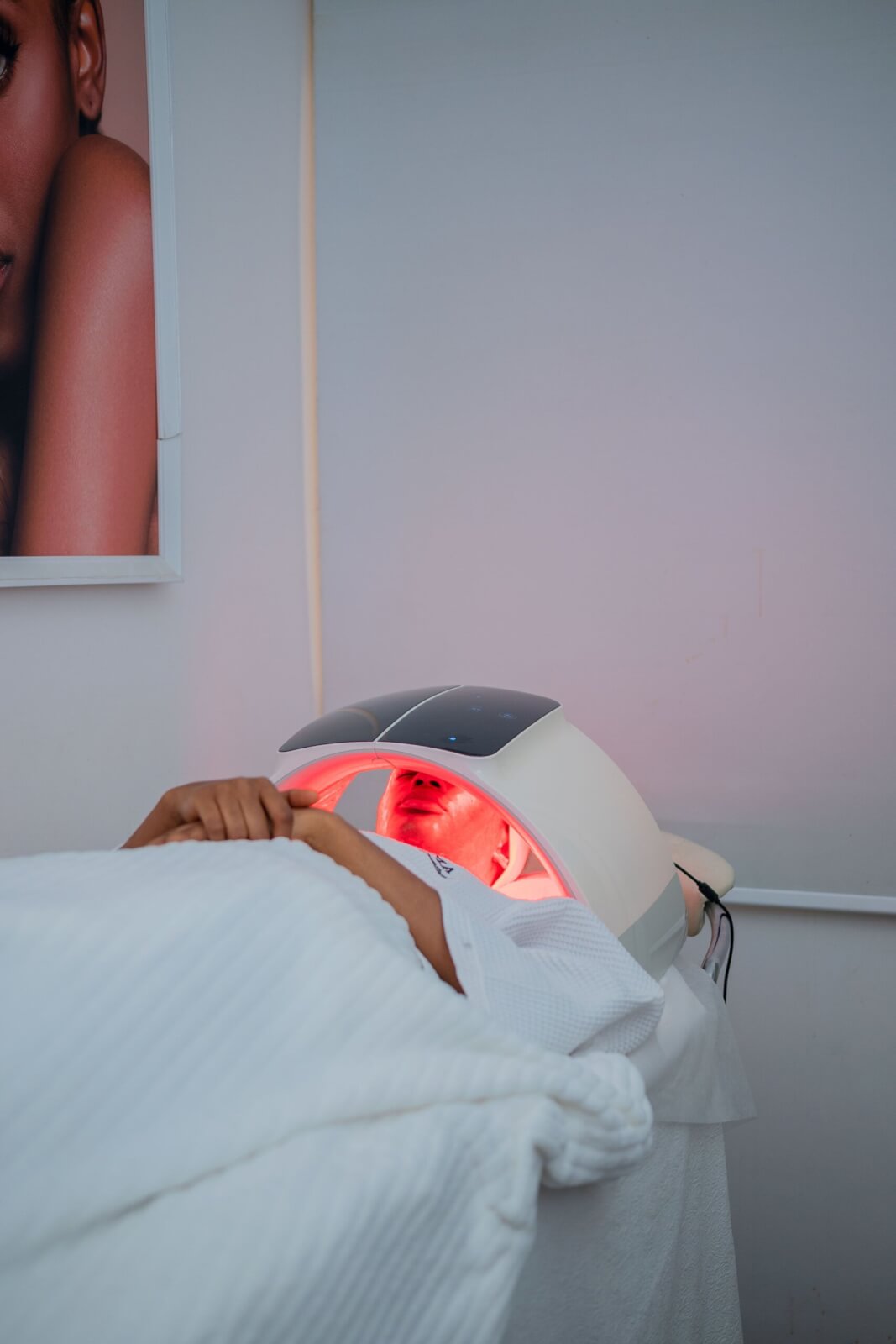
The problem is not biohacking itself. The real issue is longevity washing.
The practice of wrapping ordinary wellness concepts in scientific jargon, expensive hardware and pseudo-medical mystique in order to justify premium pricing and generate social currency.
Luxury hospitality now faces a difficult question: how do you cut through the noise without becoming part of it? Increasingly, sophisticated guests are starting to ask a dangerous question of the industry: if sleep, movement, stress management and nutrition still account for most long-term health outcomes, why are we pretending the answer lies in a £20,000 membership and a freezing nitrogen chamber?
The rise of performative wellness
Longevity has become the perfect luxury product because it is both visible and invisible. Guests can post infrared saunas on Instagram, while simultaneously claiming a deeper commitment to health optimisation and self-mastery.
It is wellness with status attached.
A decade ago, luxury spas sold relaxation. Today they sell data. Biomarkers. Biological age. Recovery scores. “Cellular optimisation.” The language has shifted from indulgence to performance.
There is a reason for this. Traditional luxury increasingly struggles with cultural relevance among affluent consumers who want experiences to feel purposeful rather than excessive. Longevity solves that problem beautifully. A £4,000 wellness retreat sounds more defensible if it is framed as preventative medicine rather than pampering. However somewhere along the way, the hospitality sector started confusing complexity with efficacy.
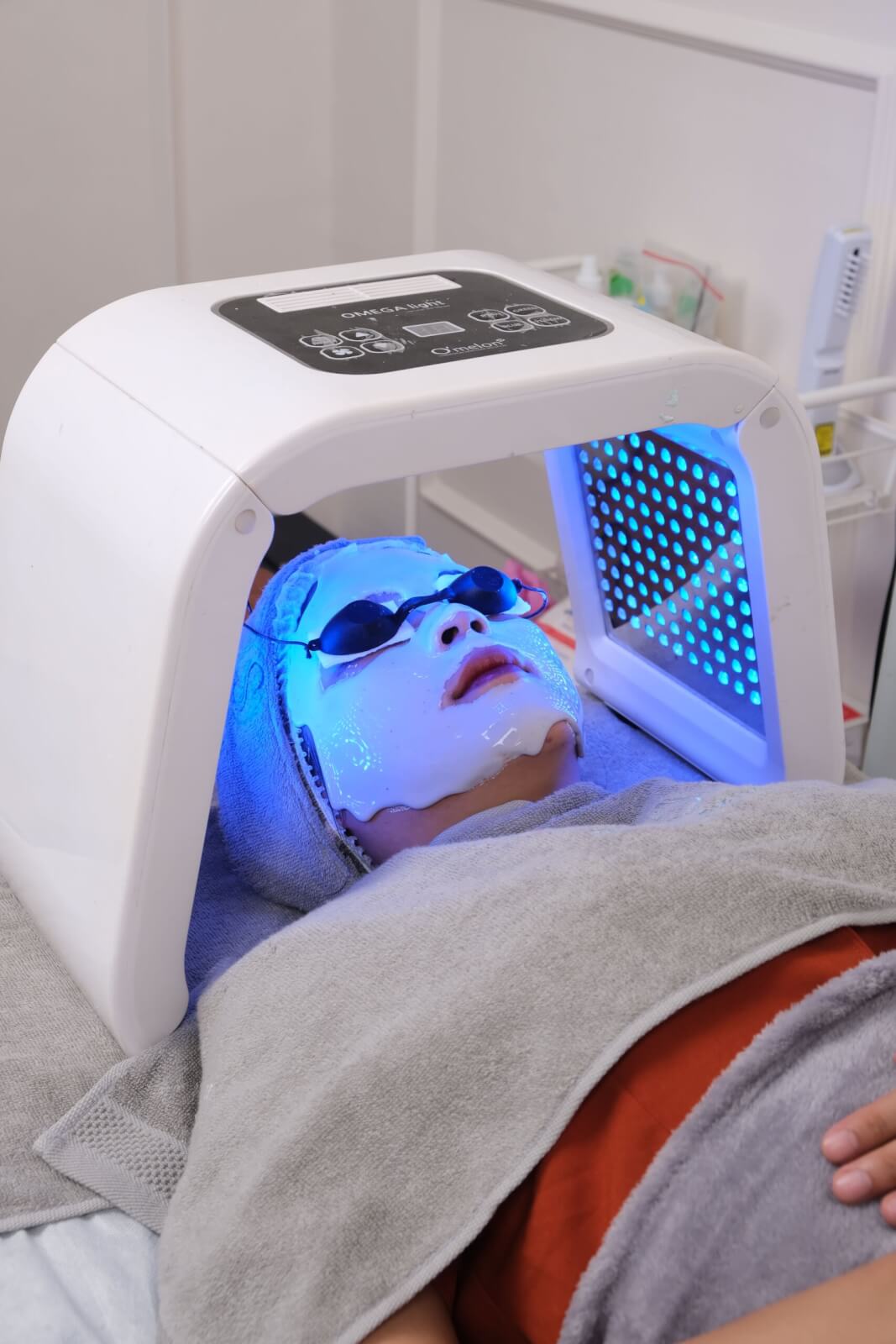
The result is an industry obsessed with interventions while ignoring foundations.
Guests are ushered into futuristic diagnostics suites while running on four hours sleep. They are sold NAD+ drips while chronically stressed, sedentary and over-caffeinated. They spend fortunes analysing blood sugar spikes before eating room-service cheeseburgers at midnight after long-haul flights and six back-to-back Teams calls.
This is the contradiction at the heart of modern luxury wellness: people want shortcuts sophisticated enough to avoid confronting the boring basics. Operators, understandably, have been happy to provide them.
Biohacking is not the villain
To dismiss the entire longevity space would be lazy and wrong. There are extraordinary developments happening in preventative health, diagnostics and performance science.
Continuous glucose monitoring has transformed understanding of metabolic health for many users. Advanced sleep tracking has helped identify serious recovery issues. Strength training protocols designed around healthy ageing are changing how older demographics approach fitness. Personalised medicine will likely revolutionise hospitality wellness over the next decade.
Some luxury operators are doing exceptional work. Clinics integrating detailed diagnostics with medically supervised lifestyle interventions can produce genuinely meaningful outcomes. High-end retreats that combine nutrition, exercise physiology, sleep science and stress reduction are often far more impactful than traditional “spa wellness.” Even technologies like cold exposure or red-light therapy may offer useful supporting benefits for some individuals.
The issue is not that these tools are worthless.
The issue is proportionality.
Too often, hospitality markets secondary or experimental interventions as primary solutions while downplaying the unglamorous behaviours that drive most health outcomes. That is where longevity washing begins. When the marketing around wellness becomes more advanced than the wellness itself.
The 4 things the longevity wellness industry ignores
Here is the inconvenient reality for luxury wellness operators: most guests do not need more hacks. They need better habits. Not because habits are trendy, but because the evidence remains overwhelmingly clear that four pillars consistently dominate long-term health outcomes.
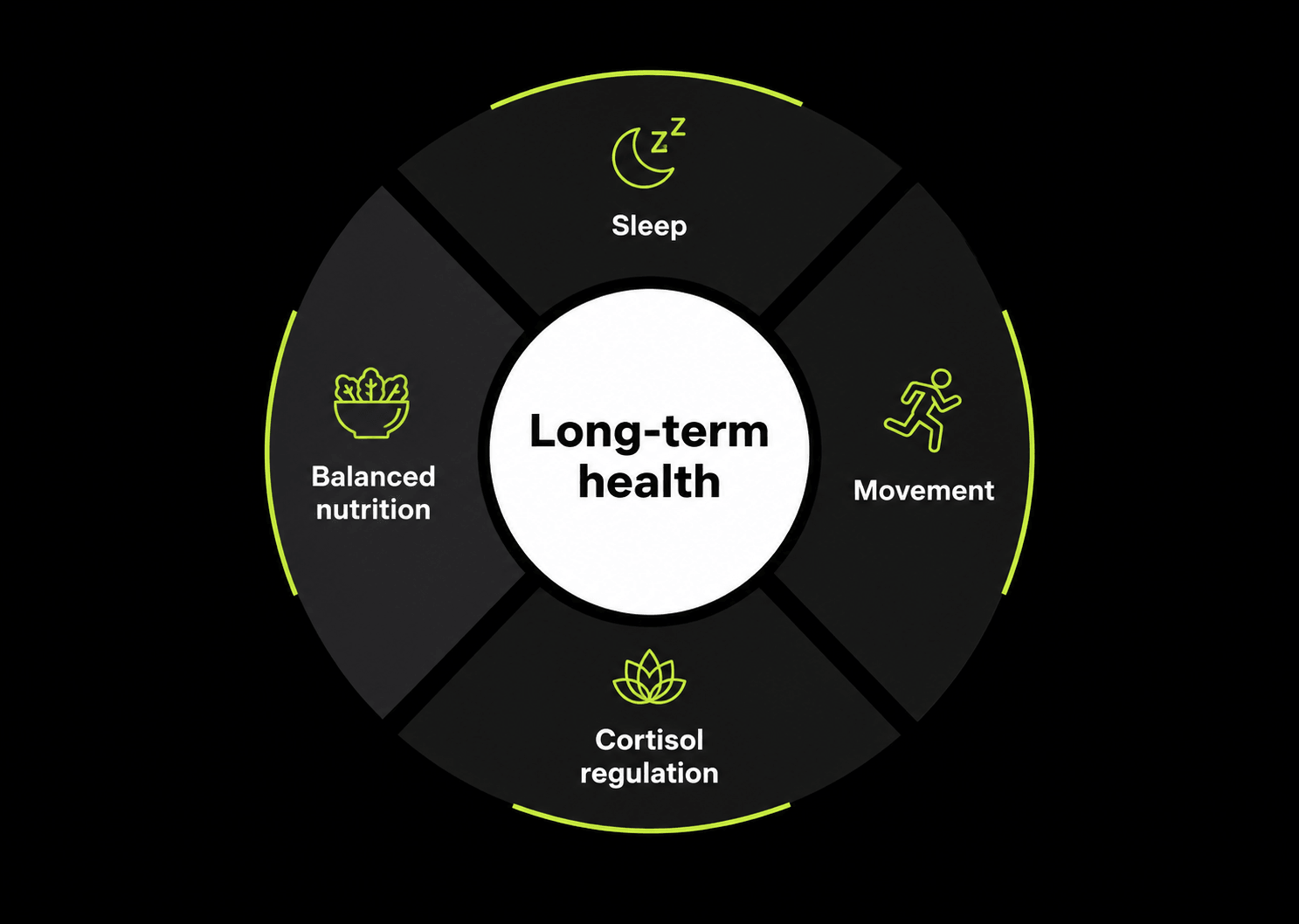
That is not sexy enough for the Instagram economy. But it is still true.
Sleep: the most underpriced luxury in hospitality
Luxury hotels still proudly advertise 24 hour room service, late night cocktails and blackout party weekends while simultaneously claiming to support longevity. These two things are not compatible.
Sleep remains the single most powerful recovery mechanism available to the human body. It influences cognitive performance, metabolic health, hormone regulation, immune function, emotional resilience and ageing itself.
Yet most hospitality environments actively sabotage it.
- Over lit rooms.
- Excessive noise leakage.
- Poor mattress quality disguised by thread counts.
- In-room technology overload.
- Dining schedules that encourage late eating.
- Overstimulating guest programming.
- Alcohol centric experiences masquerading as sophistication.
Then operators install a sleep tracking device and call themselves a longevity destination. The truly progressive luxury operators of the next decade may not be the ones offering the most futuristic treatments. They may simply be the ones brave enough to optimise guest sleep better than anyone else.
Imagine if hotels obsessed over circadian rhythms with the same intensity they currently devote to lobby scenting. Imagine if “turn-down service” evolved into genuine nervous-system preparation: light modulation, temperature optimisation, sound management, caffeine timing guidance, digital minimisation and evidence-based recovery programming. That would actually move the needle, because no supplement stack competes with eight hours of quality sleep.
Movement: the anti-ageing intervention hiding in plain sight
The longevity sector often markets movement as though it were a side quest to the real optimisation technologies. In reality, movement is the technology.
Strength training remains one of the strongest predictors of healthy ageing available. Cardiovascular fitness dramatically influences lifespan and cognitive resilience. Mobility impacts independence and quality of life later in life more than almost any luxury intervention ever will.
Yet hospitality still treats fitness as secondary to aesthetics.
Too many hotel gyms are designed for appearance rather than usability. Tiny mirrored spaces packed with unused machines while actual movement experiences remain generic and uninspiring.
Meanwhile guests are sitting for ten hour flights, attending stress heavy meetings, drinking heavily and sleeping poorly, then being handed a recovery smoothie as if biology can be negotiated with. Luxury operators should stop positioning movement as punishment or obligation and start integrating it naturally into the guest experience.
- Not performative bootcamps.
- Not militarised sunrise workouts.
- Real, enjoyable movement.
- Walkable resort design.
- Guided mobility sessions.
- Nature immersion.
- Functional strength programmes for longevity, not beach bodies.
- Recovery integrated into daily routines, not sold as damage control.
Because movement should not feel like a corrective response to indulgence. It should feel foundational to the experience itself.
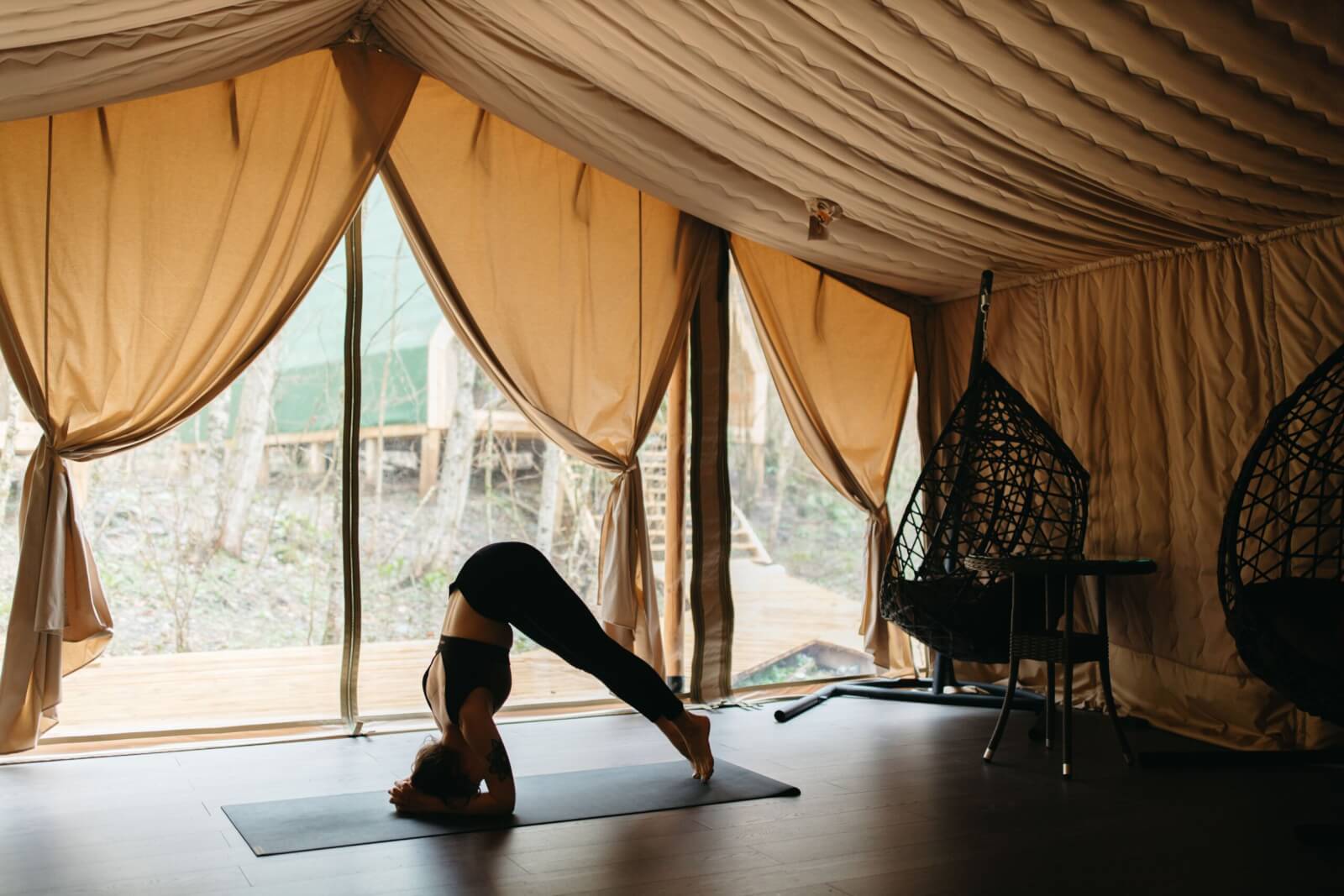
Cortisol: the hidden epidemic luxury created
This is where the wellness conversation becomes uncomfortable for luxury hospitality. Because many affluent consumers are not physically exhausted. They are neurologically overloaded.
High-performing guests increasingly arrive dysregulated: chronically stressed, hyper-connected, overstimulated and emotionally fatigued. They are sleeping badly not because they lack magnesium, but because their nervous systems never switch off.
Furthermore luxury environments often intensify that problem rather than resolve it.
Constant stimulation has become confused with premium service. More notifications. More programming. More options. More pressure to maximise every moment. Even wellness retreats can become absurdly stressful: biometric testing at 6am, ice baths at 7am, fasting protocols by 8am and lectures on mitochondrial efficiency before lunch.
At some point, optimisation itself becomes a cortisol event.
The irony is staggering. People are becoming stressed about reducing stress. This is why nervous-system regulation may become the most important frontier in modern wellness hospitality. Not because it sounds impressive, but because chronic cortisol elevation quietly undermines almost every other health intervention.
Meditation alone will not solve this. Neither will breathwork branding.
Operators who genuinely understand psychological decompression, slower pacing, calmer design, digital boundaries, social connection, nature exposure and emotional safety, may create more meaningful longevity outcomes than many high-tech clinics currently do.The future of luxury wellness may look less like a laboratory and more like permission to exhale.
Nutrition: enough with the metabolic cosplay
Few sectors have embraced pseudoscience more enthusiastically than luxury nutrition. Menus now read like biochemistry dissertations. “Gut-friendly activated compounds.” “Cellular detox pathways.” “Hormone-balancing elixirs.” “Mitochondrial enhancement cuisine.”
Sometimes it feels less like dining and more like nutritional fan fiction. Again, nutritional science absolutely matters. Ultra-processed diets are damaging health outcomes globally. Protein intake matters, fibre matters, micronutrients matter, blood sugar stability matters.However somewhere along the line, wellness cuisine became absurdly detached from reality.
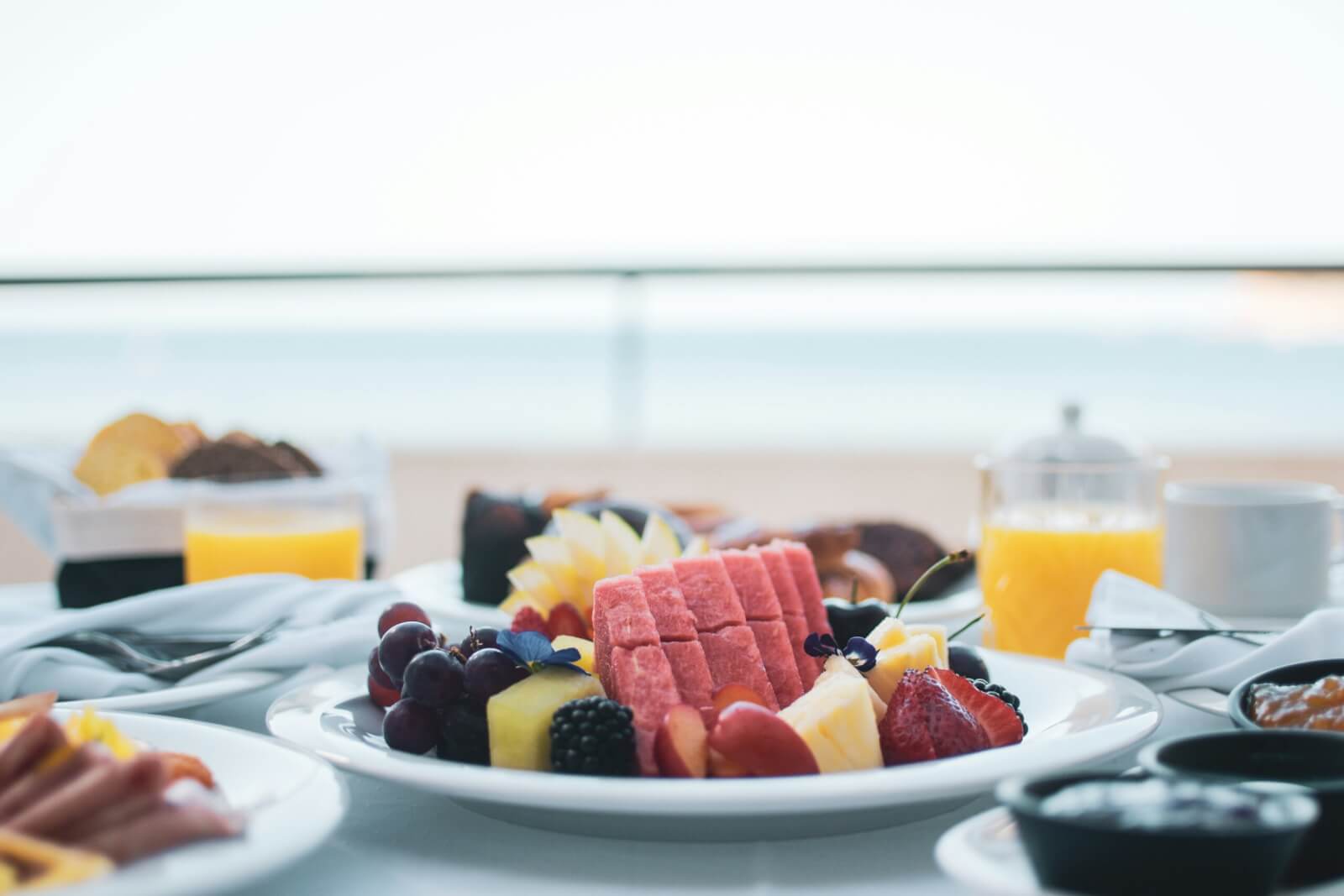
A guest can now spend £38 on a smoothie containing fourteen adaptogens while remaining chronically sleep-deprived, sedentary and stressed. This is not optimisation. It is expensive denial.
Balanced nutrition is still remarkably uncontroversial at its core:
- Whole foods
- Sufficient protein
- Fibre
- Healthy fats
- Reduced ultra-processed intake
- Sensible alcohol moderation
- Sustainability over perfection
That is not simplistic. It is foundational. Luxury operators need to resist turning nutrition into moral theatre. Guests do not need more fear around carbohydrates or glorified starvation disguised as cleansing.
They need environments that make healthy eating pleasurable, socially enjoyable and realistically maintainable. The hospitality brands that win long-term trust will likely be those that stop treating wellness like punishment.
The danger of outsourcing responsibility to technology
One reason longevity washing thrives is because it appeals to a comforting fantasy: that technology can compensate for lifestyle. It cannot.
A recovery score cannot undo burnout. Cryotherapy cannot fix chronic alcohol excess. Supplements cannot override sleep deprivation. No wearable on earth can biohack its way around sustained psychological overload.
Yet the longevity wellness industry often markets precisely this illusion. Partly because fundamentals are difficult to monetise. You cannot charge thousands for “go to bed earlier.” There is limited glamour in walking daily, lifting weights consistently, managing stress or eating balanced meals. These behaviours require discipline, not exclusivity. Technology, however, feels luxurious. It photographs beautifully. It creates differentiation. It sounds scientific.
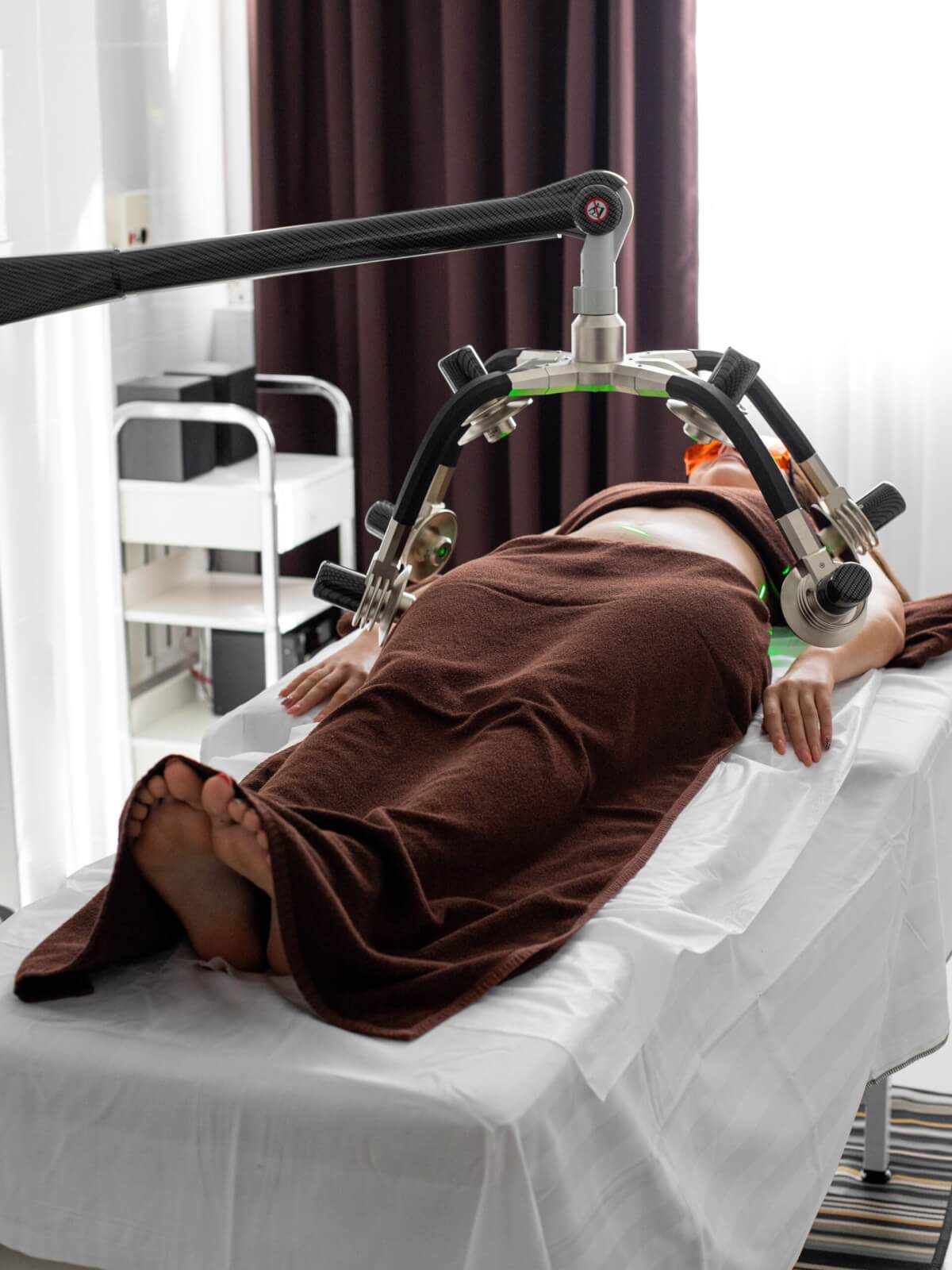
This creates a dangerous imbalance where hospitality operators risk becoming merchants of distraction rather than facilitators of health.
The irony is that affluent consumers are becoming increasingly aware of this dynamic. Many are starting to crave simplicity over optimisation theatre. Not anti-science. Anti-nonsense.
What luxury longevity wellness industry should do next
The opportunity for operators is not to abandon longevity. It is to mature it.
The next evolution of the luxury longevity wellness industry will likely belong to brands willing to combine evidence-based science with radical honesty.
That means:
- Being transparent about what is proven versus experimental
- Positioning technology as supportive rather than transformational
- Prioritising behavioural foundations before advanced interventions
- Designing experiences around sustainability, not intensity
- Avoiding fear based wellness marketing
- Understanding that stress reduction is not achieved through over-programming
Most importantly, it means redefining what sophistication looks like. Paradoxically perhaps the most luxurious thing today is not optimisation. Perhaps it is regulation.
Deep sleep. Mental clarity. Physical capability. Emotional calm. Energy that does not depend on stimulants. Food that nourishes without obsession. Movement that strengthens without punishment.
In an exhausted culture addicted to extremes, balance itself is becoming aspirational, and that may ultimately be the biggest threat to longevity washing of all.
If guests realise the fundamentals work remarkably well, the industry will need to decide whether it truly wants healthier customers — or simply more optimised consumers.


